Introduction
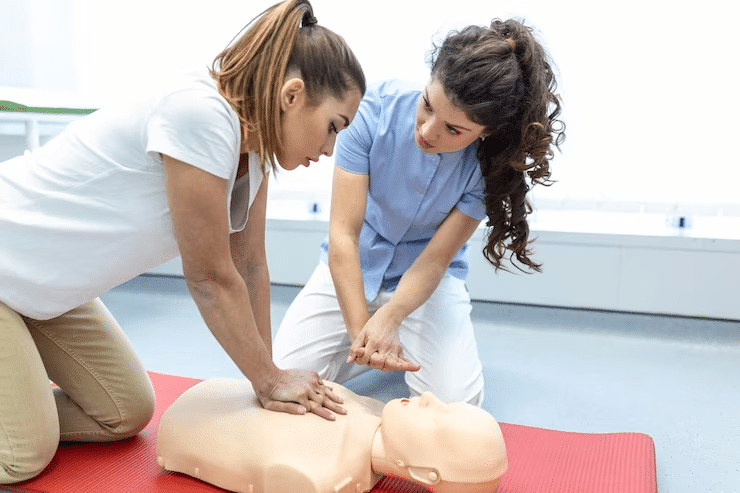
Cardiopulmonary Resuscitation (CPR) is more than just a series of upper body compressions and breaths; it's a life-saving skill that can be the distinction between life and death in emergency situation scenarios. The understanding got from a first aid course or CPR course can empower individuals to respond successfully when confronted with a cardiac arrest, choking case, or other essential emergency situations. This short article checks out the real-life applications of CPR, highlighting its significance and the impact of training on saving lives.

Real-Life Applications of mouth-to-mouth resuscitation: When Training Saves Lives
Understanding CPR
CPR is an important emergency situation procedure utilized to maintain mind feature till more procedures are taken to recover spontaneous blood circulation and breathing. It entails 2 components:
Chest Compressions: These mimic the heart's pumping activity to maintain blood flow. Rescue Breaths: These supply oxygen to the lungs, necessary for survival.The performance of mouth-to-mouth resuscitation considerably enhances when executed quickly after cardiac arrest. Researches reveal that prompt CPR can double or triple the opportunities of survival for victims.
Importance of Emergency treatment Courses
First help courses gear up people with essential skills beyond mouth-to-mouth resuscitation, consisting of wound treatment, identifying strokes, and taking care of fractures. By participating in these programs, you're not simply learning more about emergency situations; you're preparing yourself to act decisively when it matters most.
Key Parts of Emergency treatment Courses
- Basic Life Assistance (BLS): Covers adult, youngster, and baby CPR techniques. Choking Alleviation Techniques: Consists of back impacts and abdominal thrusts. Wound Monitoring: Just how to clean and clothe injuries properly. Recognizing Emergencies: Understanding when to call for help versus handling a circumstance independently.
The Role of mouth-to-mouth resuscitation in Heart Attack Situations
Every year, numerous thousands experience heart attack outside medical facilities. Without prompt treatment, the survival rate goes down drastically every min that passes without CPR.
Statistics on Cardiac Arrest Survival Rates
|Time Without CPR|Survival Price (%)|| ------------------|-------------------|| 1 Minute|90|| 5 Minutes|50|| 10 Minutes|10|
Source: American Heart Association
Being trained in mouth-to-mouth resuscitation ensures that bystanders can action in confidently throughout these essential moments.
Real-Life Study Demonstrating Effective Mouth-to-mouth Resuscitation Application
Case Study 1: The Quick-Thinking Bystander
In a Adelaide First Aid Course Near Me busy coffee shop one warm afternoon, an individual collapsed as a result of heart attack. A neighboring diner that had actually completed a first aid and mouth-to-mouth resuscitation course jumped into activity. They began administering upper body compressions while another patron called 911. Within mins, paramedics got here and made use of an Automated External Defibrillator (AED), eventually revitalizing the patient.
Case Study 2: Workplace Emergency
During a business training occasion, an employee all of a sudden dropped subconscious. The good news is, several coworkers were certified in both emergency treatment courses and innovative life assistance strategies. Their speedy action consisted of calling emergency services while executing high-grade CPR till help arrived.
Why Take part in mouth-to-mouth resuscitation Courses?
CPR courses deal hands-on training that builds confidence in your capacities during emergency situations. Below are some engaging reasons to enlist:

What Are the Different Sorts Of CPR Courses Available?
When taking into consideration which training program matches your needs best, it is essential to recognize the different types of available programs:
Basic Adult/Child/Infant CPR Course
This program concentrates on age-specific techniques customized for adults, youngsters, and infants with thorough hands-on practice on mannequins.
Advanced Cardiovascular Life Assistance (ACLS)
Geared towards health care experts, ACLS builds upon basic life support abilities with advanced interventions like drug administration and advanced air passage management.
Pediatric Advanced Life Support (BUDDIES)
Designed for doctor who take care of critically sick infants and children; friends consists of scenarios certain to pediatric emergencies.
Online vs In-Person Training
Many organizations currently offer online components which can supplement typical classroom learning however do not replace hands-on practice crucial for mastering skills like breast compressions.
Benefits of Having a First Aid Certificate
Obtaining a first aid certification shows your dedication to safety and security and readiness in various atmospheres-- whether in your home or job-- improving both professional integrity and individual assurance when emergency situations arise.
Career Advantages
Having qualification can improve employability in fields such as education and learning, health care industries, physical fitness training industries where security is paramount.
Common Misconceptions About CPR
It's essential to eliminate misconceptions bordering this crucial skill set:
Myth # 1: "Only Clinical Professionals Ought To Do CPR"
Fact: Any person can do fundamental life-saving strategies if educated properly; you don't require clinical expertise!
Myth # 2: "You Can Damage Someone by Doing CPR"
While it's true there's some threat included-- it's far surpassed by the potential advantages when executed correctly!
Myth # 3: "mouth-to-mouth resuscitation Is Only Required For Grownups"
Children also require timely interventions; hence comprehending pediatric techniques is similarly vital!
FAQs Regarding Real-Life Applications of CPR
FAQ 1: What must I do if I see someone collapse?
If you witness someone collapse:
- Check responsiveness Call emergency situation services Begin performing mouth-to-mouth resuscitation promptly if they reveal no indicators of breathing
FAQ 2: Just how usually need to I restore my certification?
Most companies recommend restoring your emergency treatment certification every 2 years due to progressing guidelines and practices.
FAQ 3: Can I find out CPR online?
While online training courses give useful details, hands-on practice is essential for understanding skills effectively-- seek hybrid alternatives if possible!
FAQ 4: What are some suggestions for performing effective upper body compressions?
Aim for:
- A depth of at least two inches A rate around 100-120 compressions per minute Allow full recoil in between compressions without raising hands off the chest
FAQ 5: Do I need special tools for executing rescue breaths?
No unique devices is needed! However using barrier devices like face guards can improve safety while supplying rescue breaths if available.
FAQ 6: What function does AED play together with CPR?
Automated External Defibrillators evaluate heart rhythm & & recommend whether shocks are required which substantially increases possibilities of survival when utilized along with premium breast compressions!
Conclusion
The real-life applications of mouth-to-mouth resuscitation are undeniable; they prolong much beyond academic knowledge right into real scenarios where lives are conserved via crucial actions taken by experienced individuals. Signing up in a comprehensive first aid course or participating in specialized CPR courses furnishes you with indispensable skills that might make all the difference during an emergency situation situation-- not just profiting others yet encouraging on your own too! The moment spent today prepares you for whatever tomorrow may bring-- and isn't that something worth considering?